Exploring the Versatility of Cloud Texture in Creative Projects
Cloud texture and cloud background have become increasingly popular in various creative and professional fields. These high-resolution, versatile designs offer a unique aesthetic that can enhance a wide range of projects. Whether you are a graphic designer, a content creator, or a hobbyist, understanding the potential and applications of cloud textures can significantly elevate your work.
Understanding Cloud Texture: A High-Quality Visual Element
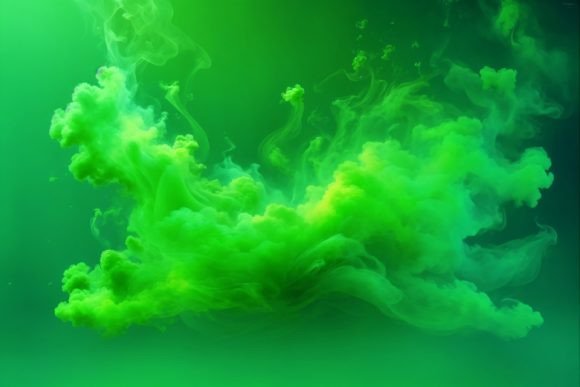
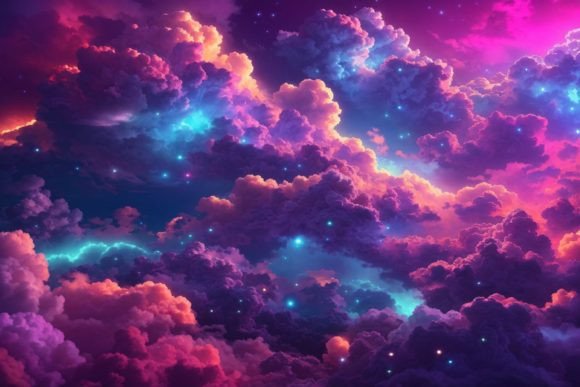
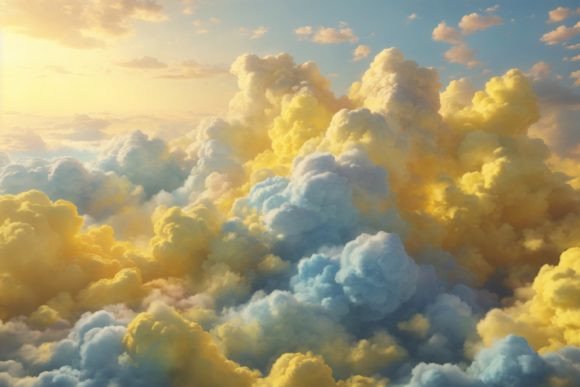
Cloud texture is a visually appealing and highly detailed image that mimics the natural appearance of clouds. The high resolution (3000x2000 px) and 300 DPI resolution ensure that the texture is crisp and clear, making it ideal for both digital and print use. The RGB color format further enhances its versatility, allowing for seamless integration into various design projects.
Applications of Cloud Texture in Design and Content Creation
The applications of cloud texture are vast and varied, catering to a broad audience including professionals, consumers, creators, educators, researchers, hobbyists, and business owners. Here are some of the most common and innovative uses:
- Cards and Invitations: Add a touch of elegance and uniqueness to greeting cards, wedding invitations, and other special event cards by incorporating cloud backgrounds.
- Clipping Masks on Text Shapes: Use cloud texture as a clipping mask to give text a soft, ethereal look, perfect for creating dreamy and artistic typography.
- Wrapping Paper and Stickers: Print cloud textures on wrapping paper or create custom stickers for a personalized and visually appealing packaging solution.
- Printable Wallpapers and Home Decorations: Transform any space with printable wallpapers featuring cloud textures, adding a serene and calming atmosphere to your home or office.
- Backdrops for Mockups: Enhance the visual appeal of product mockups by using cloud backgrounds, providing a clean and professional look.
- Texture for 3D Models and Graphic Design: Incorporate cloud textures into 3D models and graphic design projects to add depth and realism, making your creations stand out.
- Content Creation and Websites: Use cloud textures as backgrounds for websites, blogs, and social media graphics to create a cohesive and visually engaging brand identity.
- Packaging and Crafts: Apply cloud textures to packaging designs and craft projects, adding a unique and artistic touch to your products.
- Scrapbooking and Digital Scrapbooking: Utilize cloud textures in scrapbooking and digital scrapbooking to create beautiful and memorable layouts.
Advantages of Using Cloud Texture in Your Projects
There are several advantages to using cloud texture in your creative endeavors:
- Versatility: Cloud texture can be used across a wide range of projects, from digital to print, making it a valuable asset for any designer or creator.
- High Resolution and Quality: The 3000x2000 px resolution and 300 DPI ensure that the texture is sharp and clear, suitable for both close-up and large-scale applications.
- Ethereal and Calming Aesthetic: The soft, natural appearance of cloud textures adds a calming and serene element to designs, enhancing the overall visual experience.
- Customization: With the ability to adjust opacity, color, and size, cloud textures can be customized to fit the specific needs and style of your project.
- Compatibility: The RGB color format and high-quality JPG file make cloud textures compatible with most design software and platforms, ensuring smooth integration into your workflow.
Considerations and Tips for Using Cloud Texture Effectively
To get the most out of cloud texture in your projects, consider the following tips:
- Choose the Right Context: Select the appropriate context for using cloud texture. For example, a soft, pastel cloud background might be more suitable for a romantic invitation, while a more dramatic, stormy cloud texture could work well for a bold and impactful design.
- Balance and Composition: Ensure that the cloud texture complements the overall composition of your design. Avoid overusing the texture, as it can overwhelm the other elements and detract from the intended message.
- Color Coordination: Match the colors of the cloud texture with the rest of your design elements to create a harmonious and cohesive look. Consider adjusting the hue and saturation to better fit your project's color scheme.
- Test and Adjust: Always test the cloud texture in different contexts and at various scales to ensure it looks good and maintains its quality. Make adjustments as needed to achieve the desired effect.
- Legal and Ethical Use: When using cloud textures, ensure that you have the proper license and rights to use the images, especially for commercial projects. Respect copyright laws and intellectual property rights.
Incorporating Cloud Texture into Your Workflow
Integrating cloud texture into your design and content creation workflow can be a straightforward process. Here are some steps to help you get started:
- Download and Prepare: Download the high-resolution cloud texture file and prepare it for use in your preferred design software. Ensure that the file is in the correct format and resolution for your project.
- Brainstorm and Sketch: Brainstorm ideas and sketch out your design concepts, considering how the cloud texture can enhance and complement your overall vision.
- Apply and Adjust: Apply the cloud texture to your design, adjusting the opacity, color, and size as needed. Experiment with different effects and filters to achieve the desired look.
- Review and Refine: Review your design and refine the placement and appearance of the cloud texture. Seek feedback from others and make any necessary adjustments to improve the final result.
- Finalize and Publish: Once you are satisfied with the design, finalize the project and publish or share it. Document your process and save the design files for future reference and reuse.
By understanding the characteristics, advantages, and practical applications of cloud texture, you can unlock new creative possibilities and elevate your projects to the next level. Whether you are a seasoned professional or a beginner, incorporating cloud texture into your work can add a unique and captivating element that sets your creations apart.